STEP #2: DETACHMENT
With Lent coming, we are leaving Philokalia for a
while to re-read the Ladder of Divine Ascent by St. John Climacus. With the
exception of the Bible, writes Bishop Kallistos Ware in the introduction of
this book, there is no other book as influential and foundational for Orthodox
spirituality as the Ladder of Divine Ascent by St. John Climacus. it embodies
the transformational journey that all Christians are capable of, and have a
right to, from the tumult of passions and fragmentation to wholeness, inner
stillness and unity with God. We use the edition, translated by Colm Luibheid
and Norman Russell. Note, however, that my quotes are from a different, online
translation. You can order the book from Amazon.
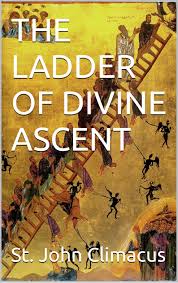
The first step in the Ladder of Divine Ascent is renunciation. The second step, detachment, takes us just a little further along our journey to deification. After renouncing the material world, we must also abandon our desire for it so that we can “follow Christ without anxiety or hesitation…”
Renouncing the world while we feel nostalgic for it or indulge in self-pity for our deprivation, keeps us still tethered to what we renounced; still overwhelmed by the anxiety we experienced while living in the world. This path leads away from union with God and toward a state of despair.
After our renunciation of the world, the demons suggest to us that we should envy those living in the world who are merciful and compassionate and be sorry for ourselves as deprived of these virtues. The aim of our foes is, by false humility, either to make us return to the world, or, if we remain monks, to plunge us into despair. It is possible to belittle those living in the world out of conceit; and it is also possible to disparage them behind their backs in order to avoid despair and to obtain hope.
While John addresses those who actually left the secular world to live the ascetic life, we can easily extract lessons for applying the concept of detachment to our secular lives. “World” for us does not refer to our physical dwelling but our passions and addictions through which we lose control of our souls and lives. Our dilemma is not just how to leave behind the “world” while living in a monastery but how to extricate ourselves from the “world” while being of this world.
Do you ever congratulate yourself for healing your anxiety through your meditative practices or your decision to pray more or the adoption of a new healing diet or exercise regiment, even though you are still experiencing anxiety and resentment? You still can’t listen patiently because you are dying to talk and make your opinions known. You still devote considerable effort to eliciting others’ respect and admiration. You seek the beauty and peace of a silent walk in the woods, but your thoughts still race in your mind, keeping you from full immersion in the moment. This is what St. John means when he says:
The man who has come to hate the world has escaped sorrow. But he who has an attachment to anything visible is not yet delivered from grief.
He calls surface renunciation, without detachment, “sham asceticism.” In that state, we delude ourselves into focusing on our virtuous words and actions while failing to discern the signs of continuing spiritual enslavement.
We may have “planted many different plants of the virtues,” St. John tells us, but we allowed them to be watered “by vainglory as by an underground sewage pipe,” and to be “hoed by ostentation, and for manure were heaped with praise.” Weakened this way, these plants cannot be transplanted and thrive in a different, even more challenging soil.
St. John then proceeds to define for us what the “narrow way” of virtue and renunciation consists of. For monastics the “narrow way” includes “askesis” such as “mortification of the stomach, all-night standing, water in moderation, short rations of bread…”
It also contains:
…the cutting out of one’s own will, patience in annoyances, unmurmuring endurance of scorn, disregard of insults, and the habit, when wronged, of bearing it sturdily; when slandered, of not being indignant; when humiliated, not to be angry; when condemned, to be humble. Blessed are they who follow the way we have just described, for theirs is the Kingdom of Heaven.
All the above represent the elements of the Hesychastic path to theosis and the kernels of inner stillness and peace for all humans.
 Readings in Philokalia