
It is said that, if you are in a hurry to fill yourself with all the passions at once, all you have to do is to submit to one of them, Pride. It is your one-stop-shopping passion that opens the gate to all the rest, and hence the gravest of all sins!
John does not mince words in describing the gravity of this sin: Pride is “the offspring of praise” and, therefore, “the denial of God, an invention of the devil, contempt for men.” It does not stem from anything real (hence John’s metaphor of pride as the “invention of the devil.”) It puffs us up through the significance we read into our achievements, possessions or talents, though these are merely gifts from God. Pride fills us with a false sense of importance because of the weight we attribute to the praise or recognition we get from others. It displaces our center of value from God to external and temporary symbols of status. Resting on such flimsy foundations, our puffed-up egos can easily burst, dropping us from the heights of self-satisfaction into the pit of despair in a minute’s time. The higher the need for external praise and recognition, the greater the fall from superiority to hopelessness if we lose these tentative holds on what we defined as a life worth living.
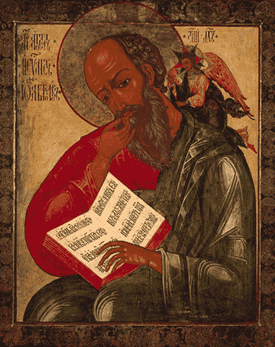
John keeps uncovering layer upon layer of the real toll the self-inflicted torment of pride exacts from our soul. John calls pride the “shameless parading of our achievements, complacency and unwillingness to be found out.” This last one is especially poignant. Pride has a way of trapping us in the very fantasies we create about who we are, as we become increasingly convinced that without the fantasy, we will not be able to garner external validation and, hence, live lives worth living. We often feel fake and inauthentic.
This is why we spend lives consumed with efforts to maintain the world of appearances we are convinced is the reason we will be loved and respected. Pride dooms us to living lives of secrecy, falsehood and constant anxiety over being found out as less than our advertising campaigns promise. Living prideful lives is living lives of fear. We are afraid of living our lives authentically and simply, and experiencing our true selves without false adornments, lest they are not adequate to elicit praise and admiration. As long as we exhaust ourselves on this treadmill of endlessly feeding our pride we will be unable to experience the inner stillness we need to become one with God.
Blasphemy
Have you ever felt shocked and horrified by a shameful, unimaginable thought that suddenly popped into your mind at the most inappropriate moment? Maybe it was a sudden mental picture of the executive interviewing you without his clothes on during the interview of your life. Sex, murder, incest, torture, mayhem…the most unthinkable thoughts that you would never entertain in your conscious mind, sometimes invade our minds violently and unexpectedly, even if it is for just a few minutes. John does not hesitate to bring them out of the hiding place we assigned them to and into the uncomfortable light of the day. These are the thoughts that John calls “blasphemy” in this section. And if you think such occasions are embarrassing to discuss or farfetched, take note of how matter-of-factly he refers to them.
“This “atrocious foe,” he tells us “has the habit of appearing during the Holy Services and even at the awesome hour of the Mysteries, blaspheming the Lord and the consecrated elements…” Blasphemy haunts everybody– rich and poor, layman and monastic. Yet it is not blasphemous thoughts that endanger our soul here, but how we choose to respond to them. Christ suffered all temptations after all. We are vulnerable not to the presence of thought but the temptation to hold on to it by hiding it and attempting to control it on our own, through sheer will power and intellect.
Blasphemous thoughts are so fleeting and startling that they are hard to make sense of them, let alone articulate. Our first reaction may be confusion and disbelief. “What is this horrible thought? Where did it come from? Did I really think of it?” The harm to our souls begins when we allow shame to overcome us and pride to lead us to secrecy and lying. “What does this all mean? What does it say about me? Could it be that I have a dark rotten core in me? How embarrassing if all these people who respect me knew what just went through my mind.”
Dwelling on blasphemy is the first step to surrendering to it. Once we have engaged in it, it is no longer a fleeting thought. It becomes a preoccupation and path to action. We are too ashamed to acknowledge or confess it and act to prevent others from “finding out.” We may overcompensate by fasting, over-achieving, or reinforcing our identity as Christians, brilliant employees, assets to our community. Secrecy traps us in an inauthentic double life and eventually plunges us into despair.
What John does here is show us how to stare the darkest and most embarrassing dimensions of our being in the face and for what they are, and then let them go without engaging them. He asks us to confront shameful thoughts simply and humbly without allowing our imagination and intellectual interpretations to magnify their importance and make them a permanent fixture in our souls. Resigning to a life of shame, secrecy and lies is a greater sin than the blasphemous thought that gave rise to them.
 Readings in Philokalia